
In a category where every brand claims expertise, the one the press actually quotes wins.






Most ecommerce categories have to work to find a credible voice. Beauty has the opposite problem: everyone claims one, so the press has grown sceptical, and the brands that get quoted are the ones whose expert is unmistakably real.
That is good news if you have a genuine formulator, founder, pharmacist or dermatologist attached to the brand. It is the single strongest asset in beauty digital PR, and most brands underuse it.
A template we point to often: rather than tying every campaign to a product, a skincare brand ran an expert-led campaign about the everyday habits that quietly damage people's skin. Not about a moisturiser or a serum, but about skin, broadly. It earned coverage across beauty, health and lifestyle press, and positioned the brand as an authority on the whole territory rather than a seller of one product line.
The concern your product addresses, never the product. Dry skin in winter, sun damage, hair loss, sleep, menopause, acne.
Ingredient myths, what packaging claims actually mean, the habits people get wrong, what the industry does not tell you.
A skincare brand running a data campaign on regional air quality. Distantly related, but the thread is real, and it opens national news and environmental writers.
Run only the first and you build relevance without reach. Run only the third and you get famous for nothing that sells. A programme runs all three.
Beauty and wellness have an unusually dense calendar of moments where journalists are actively hunting for a credible voice. Each of these is a door already open.
Sun protection, heat, sweat, holiday skin, and the reactive commentary a heatwave generates overnight.
Dryness, central heating, cold-weather damage, and the first cold snap of the year.
Resets, dry January, sleep, and wellness resolutions the whole press covers at once.
Makeup, recovery, next-day skin, plus awards and red carpet moments for reactive comment.
The discipline is landing coverage before the peak rather than during it, so the ranking benefit has matured by the time your customers are searching and buying.
A wave of agencies, and now anyone with an AI tool, has been fabricating spokespeople and inventing credentials. Journalists know it, increasingly check, and have started naming brands caught doing it. We will never invent an expert or borrow a rented one.
Every campaign goes out with a methodology a journalist can scrutinise, and every number is verified against source data before anything is pitched. In a health-adjacent category, an unsupportable claim is not just an SEO problem.
Beauty is one of the most heavily researched purchase categories on the internet, which means an enormous share of the buying journey now starts with a question asked to an AI assistant rather than a search engine.
Those systems build their picture of a brand overwhelmingly from what independent, trusted sources say about it. The research covered in Coverage That Converts found that earned media accounts for the vast majority of AI citations, while paid and advertorial content accounts for a fraction of a percent, and that publishing more content on your own site has almost no relationship with AI visibility at all.
For a beauty brand that means the reviews, roundups and expert quotes out in the world are doing more to determine whether you get recommended than anything on your own blog. Expert-led digital PR is the most direct way to build that footprint.


No journalist writes about a pet tracker just because it exists, so we built Maven Pet's campaign around something dog owners already worry about: ticks. We ranked every US state by searches for tick bites, removal and treatment, adjusted for population. Maine came out top. Launched as tick season started, it ran on PetHelpful, AOL, Weather.com and Yahoo, and a state ranking gave every regional outlet its own headline.
No product pitch. Just a story dog owners wanted to read, with Maven Pet's name on the data.
Often yes. The expert needs to be genuinely credible for the subject, which can be a founder with real category expertise, an in-house specialist, or a genuine external partner properly credited. What matters is that they are real, named, and will stand behind their words.
No. That is a separate discipline with separate relationships. We do earned editorial coverage, the kind that comes with links and builds search and AI authority.
Beauty desks are heavily contested and heavily gifted. We aim wider on purpose, because health, lifestyle, consumer and regional desks are more open to expert-led and data-led stories, and produce more coverage.
Very. We write to what the evidence supports, publish the methodology, and steer away from anything that reads as a medical claim. If a finding only works when you squint, we cut it.
Come with your brand and your goals. We will tell you honestly whether there is a strong digital PR programme here, and if there is, what it would look like.
Book a call
Searchant is an AI SEO and digital PR agency for ecommerce brands, based in North Yorkshire, UK.


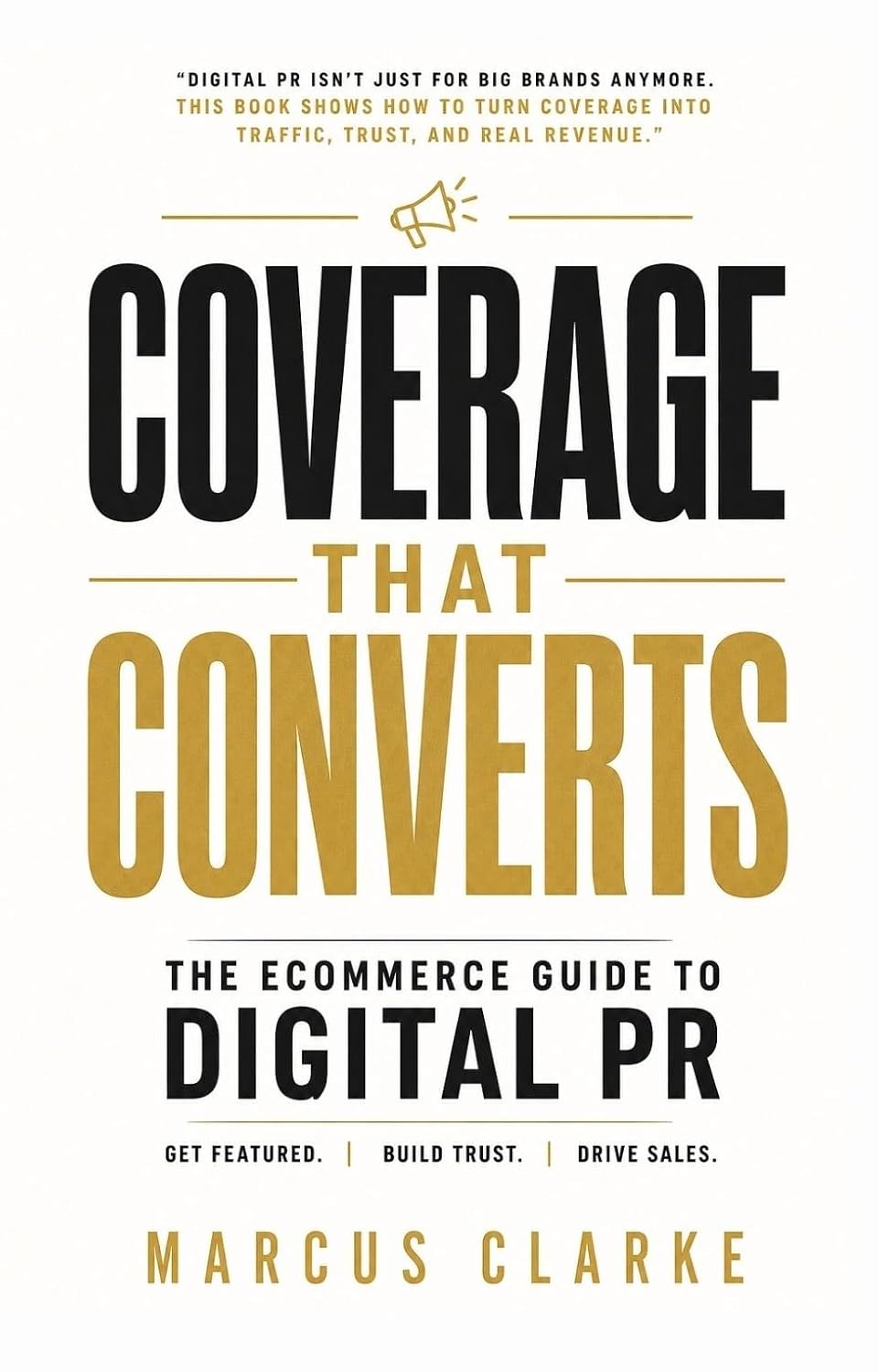
 Amazon UK
 Amazon US
